The ceiling of underground D.C. Metro stations is the rare piece of brutalist architecture I enjoy. It’s the commuters’ cathedral.

Excellent shows don’t often get better, so it is with great pleasure that I report that The Bear did. The space still feels cramped — all those close-ups! — but there are no deus ex machina-s and only one somewhat annoying character, the several previously annoying ones now completing their arc towards likeableness. The last two links have spoilers for seasons 1 and 2, respectively, and I have spoiler-ish observations below, so be warned!
Note that the two main characters, Sydney and Carmen, both have a pronounced drive. For Carmen, the drive seems wholly internal — his family is in shambles and the 21st century America is characterized by a distinct lack of a societal drive. From that standpoint, how interesting that Carmen’s love interest is an ER physician: talk about a profession that runs on its own fumes. But a single-digit percentage of the population has that much self-contained energy — I guess you could call it grit — to overcome the kinds of obstacles Carmy did; Sydney’s own internal drive is not nearly at those levels. So it’s a good thing that her family, as small as it is, was there to give her an additional kick when she needed it.
And then we have cousin Richie, who spends a season and a half wandering about aimlessly, lacking any initiative of his own, family giving up on him, and society, well, still being the 21st century America: home base of modernity’s many mapless men. So, I misspoke and mislead in the first paragraph. There is a deus ex machina in Season 2: Richie’s transformation from grifter to greeter in the span of one week. And how does it come about? By Richie having an epiphany after speaking to the Deus, played in the dreamlike Season 2 Episode 7 by the great Olivia Colman.
Which is to say that — fittingly for a show centered on Italian-Americans — The Bear presents as good an argument as any for the increasing relevance of religion in everyday life. Another observation is about that mildly annoying character, Carmen’s new girlfriend, being just a plot point on a hero’s journey; but a) this has already been made in that article from The Independent to which I linked, and b) I hated Joseph Campbell’s book.
Logged in to Twitter for the first time in a while to respond to a few DMs — PSA: please don’t message me there if you are hoping for a quick response — and the algorithm served me an insightful thread on work productivity that only reminded me of how much I hated threads.
Microsoft is replacing Calibri as its default Office font. Good riddance, it was never a good fit for long text.
But, seeing a 100-page document — a clinical protocol, say — set in Calibri was a sure sign the people who wrote it didn’t care, and that signal is now lost. Is the tradeoff worth it?
Christine Emba for the Washington Post:
It is harder to be a man today, and in many ways, that is a good thing: Finally, the freer sex is being held to a higher standard.
Even so, not all of the changes that have led us to this moment are unequivocally positive. And if left unaddressed, the current confusion of men and boys will have destructive social outcomes, in the form of resentment and radicalization.
The headline is so bad I won’t copy it here, but the article is sound and worth sharing. Good illustrations, too.
After a weekend at the beach, it is only fitting that I link to this beautifully illustrated WaPo article on beachcoming. You will never guess what the top item collected at beach cleanups was in 2021.
Just kidding, of course you will — it’s cigarette butts.
The ceiling of underground D.C. Metro stations is the rare piece of brutalist architecture I enjoy. It’s the commuters’ cathedral.
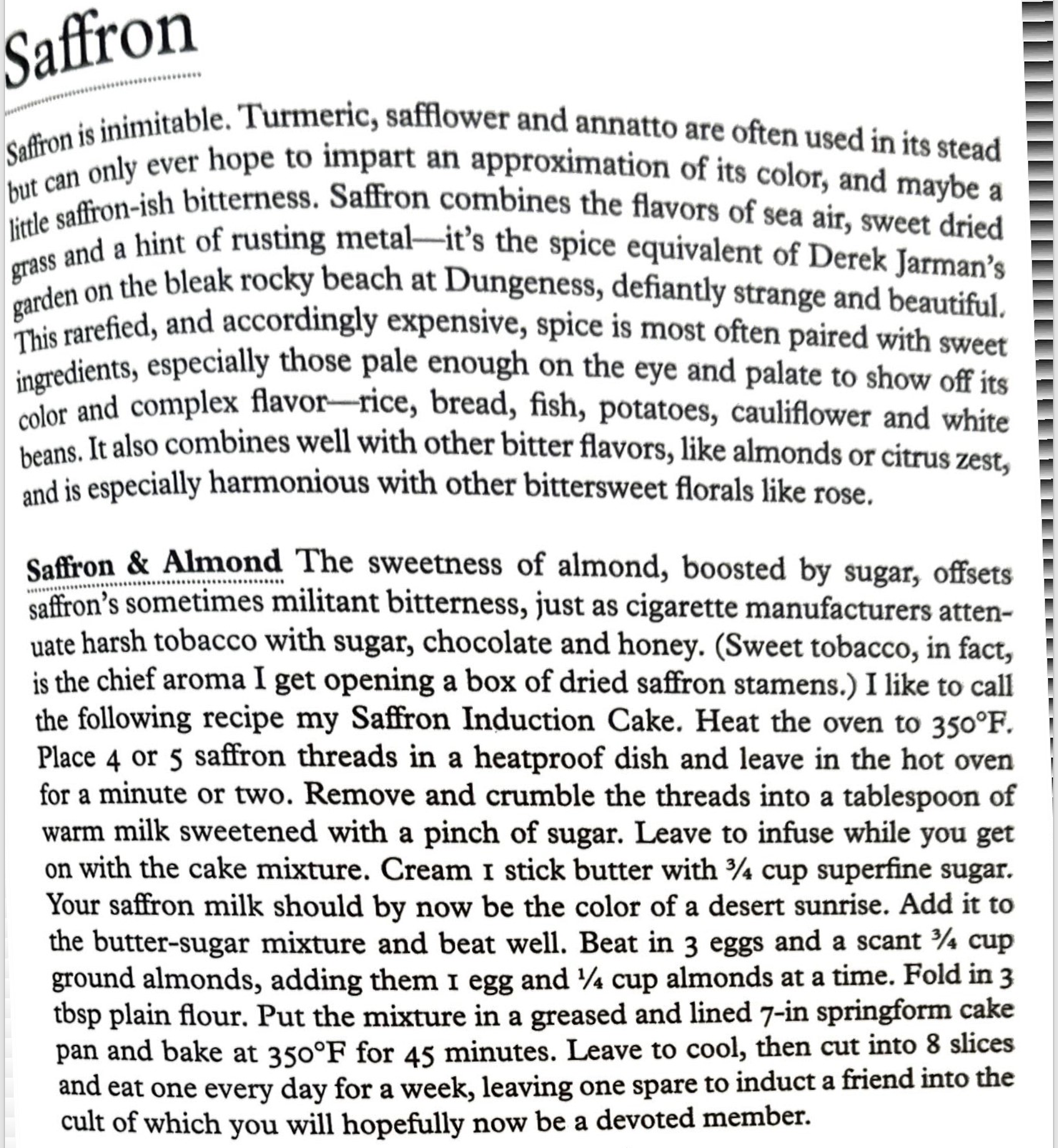
Microsoft is changing our household’s recipe game: no more bad photocopies or thick books on the counter when you can snap a photo and convert it to Word (and, when I have time, Markdown) in the Office365 app. This one is for a delicious saffron-almond cake, from The Flavor Thesaurus. ⏲️
Via Kottke, a mashup poster of the upcoming Oppenheimer and Barbie movies, and it looks… mostly like Barbie.
It reminded me of that saying about putting a tiny bit of something into something else and getting mostly that first thing. Snobbish of me, I know, and I am sure both will be great!
Writes The Washington Post:
Council member Brianne K. Nadeau (D-Ward 1) echoed Mendelson’s remarks. Bowser, she suggested, “can ask [D.C. police] why they’re not patrolling equitably across the city, or provide data on what they’re doing, or [ask] why the U.S. attorney is declining two-thirds of the cases. I want to reiterate: This council is united in addressing public safety issues and we’ll continue to do it.”
This is in regards to a new emergency public safety bill passed by the council in response to a spike in violent crimes, and if you took Nadeau’s comments to heart you would think that the problem was restricted to certain neighborhoods — you know which ones they are — and was a direct result of there being less police presence than in some other areas — you know which ones those are as well.
Throwing out words like diversity and equity has become a verbal tick for some, but if council member Nadeau said that the D.C. police were not patrolling equitably with intent, we are deeply in newspeak Ministry-of-truth territory. Because the police are, in fact, patrolling equitably: in the wrong direction. Bad decisions have consequences D.C. council cut the police budget by $15 million in June 2020; by April 2023, police staffing reached a 50-year low which came both from the cuts directly, and indirectly from the burnout of those who remained. and instead of owning up to their mistakes — the equitable policing the Council achieved meant that previously safe parts of town are now also unsafe — they double down on their bad reasoning.
But to justify the title of the post: equitable — unlike, let’s say, gaslighting is a precise word, which in my book makes it a good word. But that doesn’t necessarily mean that achieving equity is always good. “Socialism makes everybody equal: equally poor”, went the old joke, and what goes for equality can also go for equity, as D.C. Council has just shown.
One benefit of being a one-man show is the freedom to share your thought process and workflows without fear of inadvertently disclosing information that others may find sensitive. Which is to say: I love what @davidsmith is doing on his blog — the latest post is what prompted me to write this — and podcast. More of this, please.