Bonus: Little Snitch for Linux. An OG MacOS app now has a proper Linux version. May it be a sign of things to come.
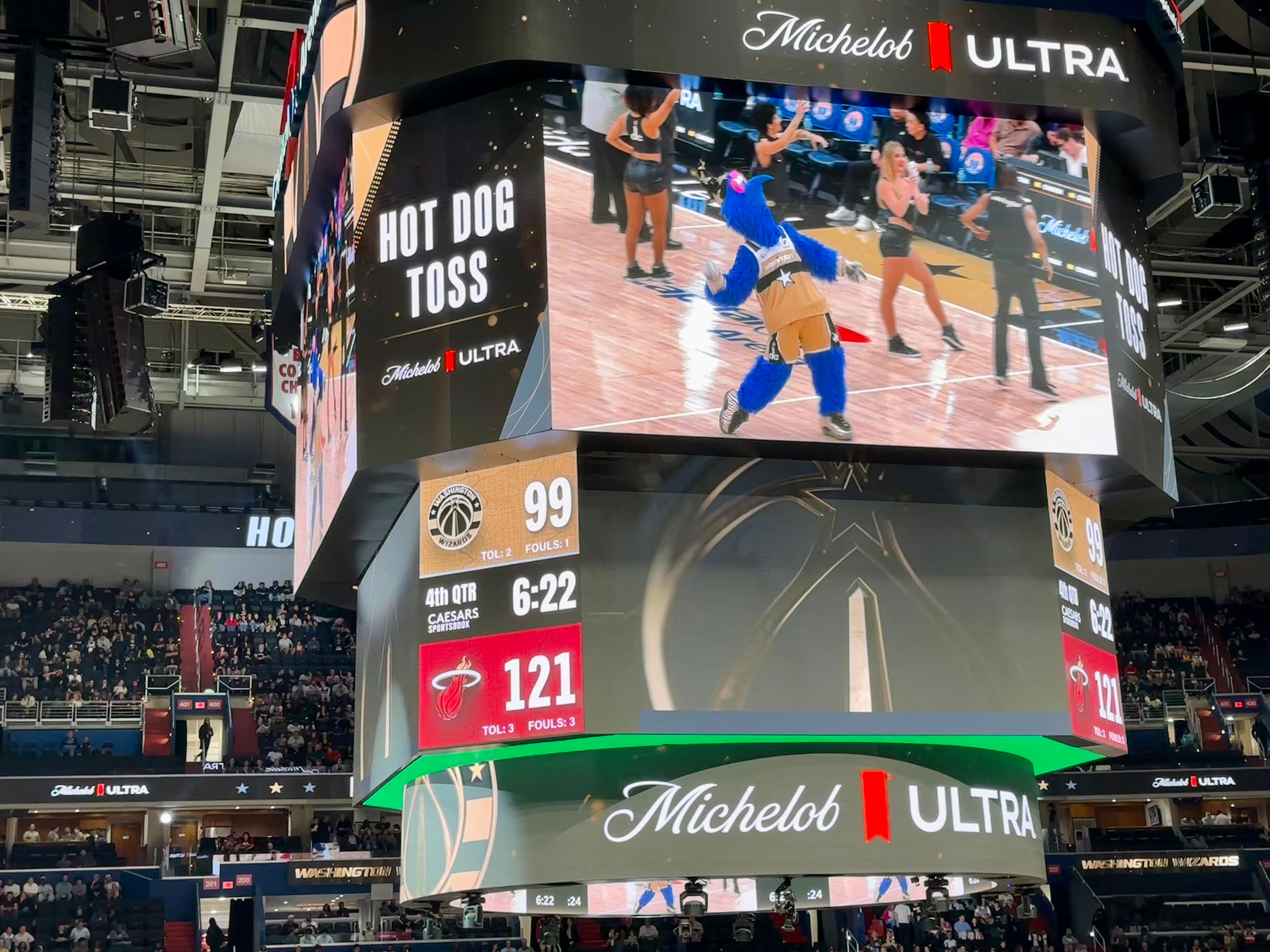
🏀 Scenes from the last Wizards home game. Appropriate ending to an ignominious season.
April 9, 2026
🍿 It (2017) — the rare remake that is infinitely better than the original miniseries, and (together with the sequel) the second-best Stephen King horror story adaptation. Granted, it is not a high bar to jump over as they all tend to be stinkers.
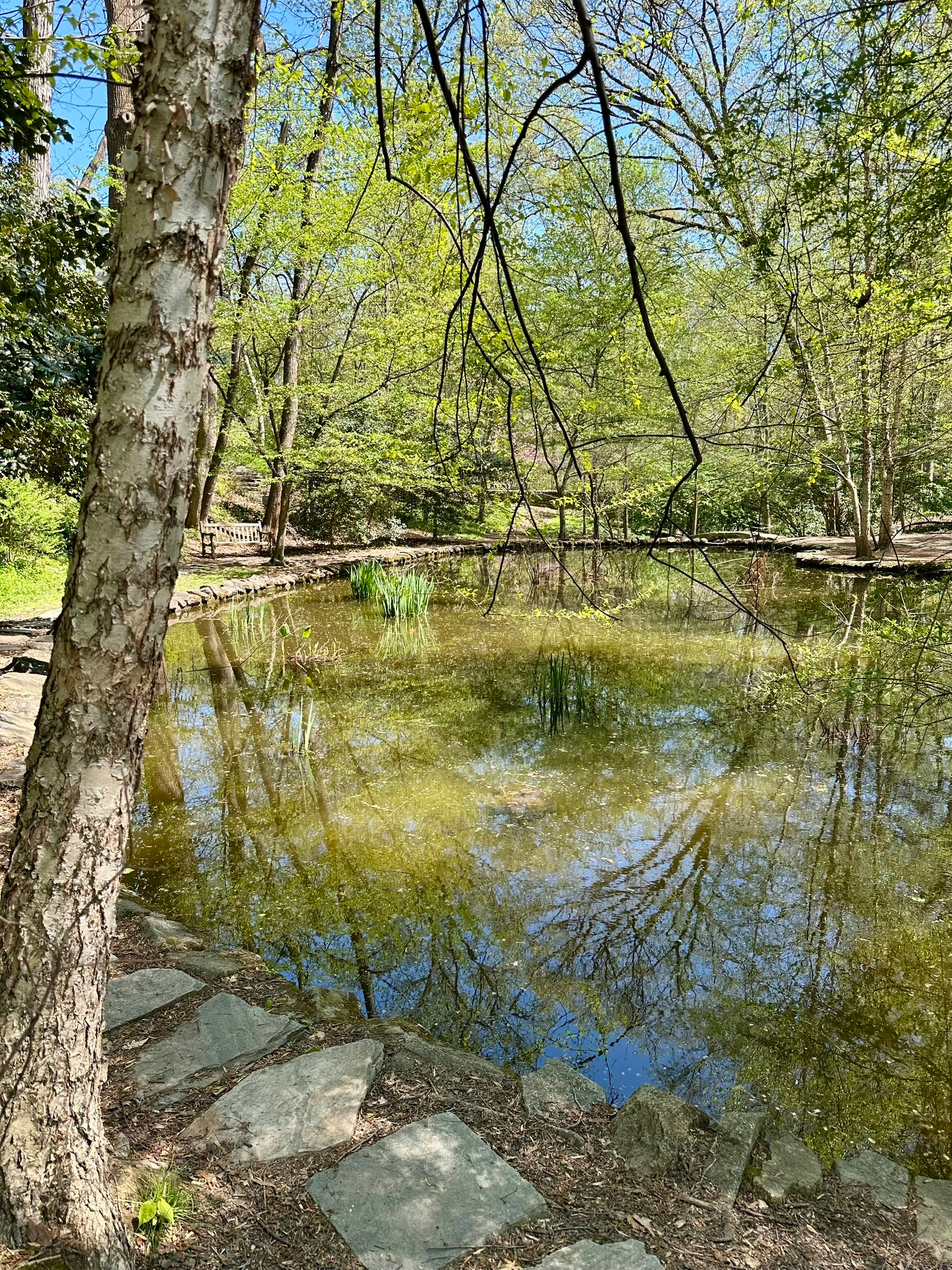
Early spring is the best time to be at the Tregaron Conservancy: all of the foliage without any of the mosquitos. Yes it was the NIMBY mindset that protected this piece of land from developers, but it wouldn’t be the first time crying out NIMBY was the right thing to do.
April 8, 2026
📺 It: Welome to Derry (2025) had more hits than misses, even while comitting the cardinal sin of prequels which is to overexplain. There is gore, of course, all CGI and gamified to the point of being camp. It is just as well: the greatest horror remains in the anticipation of the unseen.
Venkatesh Rao: On Cooling America Out. Rao is back and in rare form, expanding on a 1952 paper about conmen and their victims. In the process, he describes a leg of the American elephant not often discussed:
The US is something of a clueless striver culture of idealistic innocents who believe themselves to be worldly and cunning, based on a bewildering stack of ludicrous mythologies ranging from the personal-scale “American Dream” to the various eras of American Exceptionalism. This is true even of the macho idealism of the right.
It is also a culture of people who seem systematically disposed to the suspicion that they are being conned by someone in everything they do, and are primed to try and con others pre-emptively before they get conned. And do so while maintaining an image of their own righteousness. Trust, but verify, is the nice way of putting it. A more accurate way might be: I’m a good person, but everyone is out to get me, so I’d better try to get them first. I’m still a good person.
“A whole civilisation will be destroyed - what an appalling way for a president to talk. Future generations - if we survive will look back and ask how this president could have remained in office. Either Article 25 or impeachment must be exercised.” (👍 339, 👎 117)
“Textbook definition of a terrorist: If I can’t have my way, then I will blow up stuff.” (👍 330, 👎 99)
“Independent Christian and I am actually ashamed of my vote for Trump at this point. His post are vile, childish and disgraceful at every level. He is a tarnish on our nation. He WILL NEVER BE A Reagan…..” (👍 117, 👎 22)
“That is such a sick thing to say. I voted for him 3x, but making a threat like that is no better than the threats Iran has made. Stooping down to their level is a huge turn off. I’m sick of hearing his rants.” (👍 117, 👎 16)
“We use to believe Maga when they said “Make America Great Again” instead of DRAINING the swamp.. they became the swamp. This sick version of America Is not who we are as a Nation, never was, and never should be.” (👍 95, 👎 13, 🇺🇸 6)
The news article with the comments is here. Unlike with previous “happenings” where supporters showed up in great numbers to downvote the opposition, the above is a representative sample of the most highly ranked posts. Scrolling through — and hand to heart the only time I scroll through Fox News comments is at times like this, so about once every few months — my mind flashed back to mid-January 2020 when I checked out N95 masks available on Amazon and saw that they were all either out of stock or selling for $100+ per pack. Motivated reasoning FTW.
Web log: MVP thoughts. This is from Doc Searls, who makes a beautiful case for Tyrese Haliburton being this season’s MVP despite not playing a single game. The most informative experiments are ones where you take a single thing away.
April 5, 2026
🍿 Svadba (2026) was a competently executed, fun, and a tad crass romp. The only thing that can unite the Balkans is clearly love and mockery of corrupt transnational elites.
Today I learned of the More Perfect Union channel on YouTube and I cannot stop watching. It is like investigative journalism never died and the younger generations somehow carried the flame I thought extinguished under the deluge of talking cable TV heads.
It would have been even more perfect without the clickbaity made-for-YouTube thumbnails and video titles but if that is what it takes to keep it afloat it is a small price to pay.