We have recently bought a book full of photo prints of 19th century Washington DC. The city was founded in 1800 and was a bit of a backwater all the way until the Civil War and massive expansion of the federal government. “There was a time”, notes the introduction, “when cows grazed within sight of the Capitol.”
The farmers are out, but the city is still closer to its rural origins than a visitor — particularly someone from the thoroughly deforested and dewilded Western Europe — could imagine. Theodore Roosevelt Island is about a mile from the White House as the crow flies, and even closer to some other well-known monuments. [Note: The island is the memorial to Teddy Roosevelt in the same vein as the more well known ones — Lincoln, Jefferson — or less directly the Kennedy Center for JFK or what the Epstein File Memorial Archive will be for DJT. But no one goes there to see the somewhat uncanny and Bioshock Infinity-like statue of Teddy; you go there for the nature. So, I would call it a success! ] We went there yesterday for an easy hike and some birdwatching.
Not a scene from 'The Last of Us'.
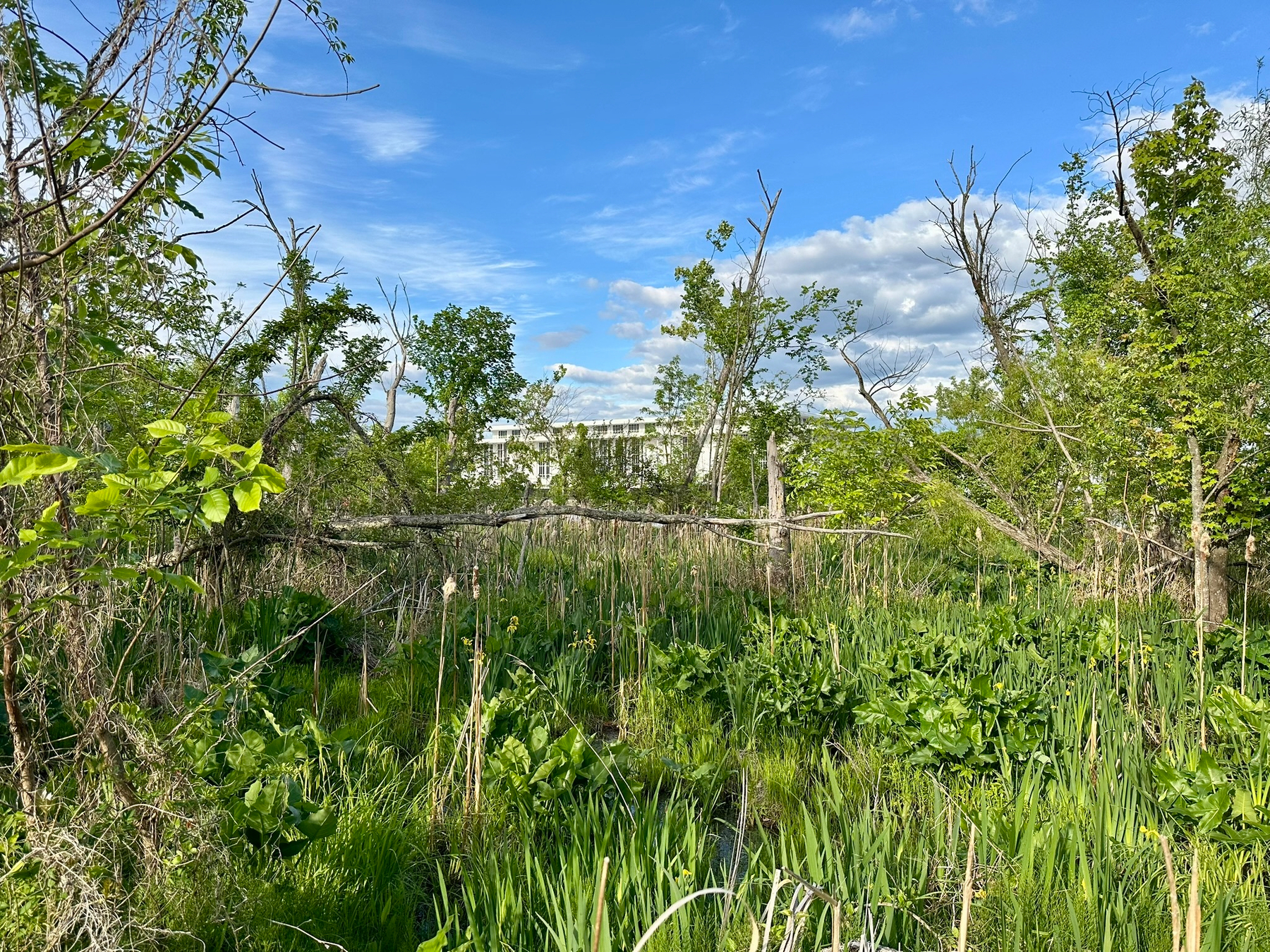
That white building barely visible from behind the rich leafy branches across the open sewage canal sometimes called the Potomac river is the Donald J. Trump & John F. Kennedy Center for Performing Arts, but could just as easily have passed as a photo from a post-apocalyptic capital city. I took the photo yesterday, and the 3-year-old iPhone camera doesn’t do justice to those greens which brought to mind Annie Dillard’s book Pilgrim at Tinker Creek and the chapter on nature’s fecundity.
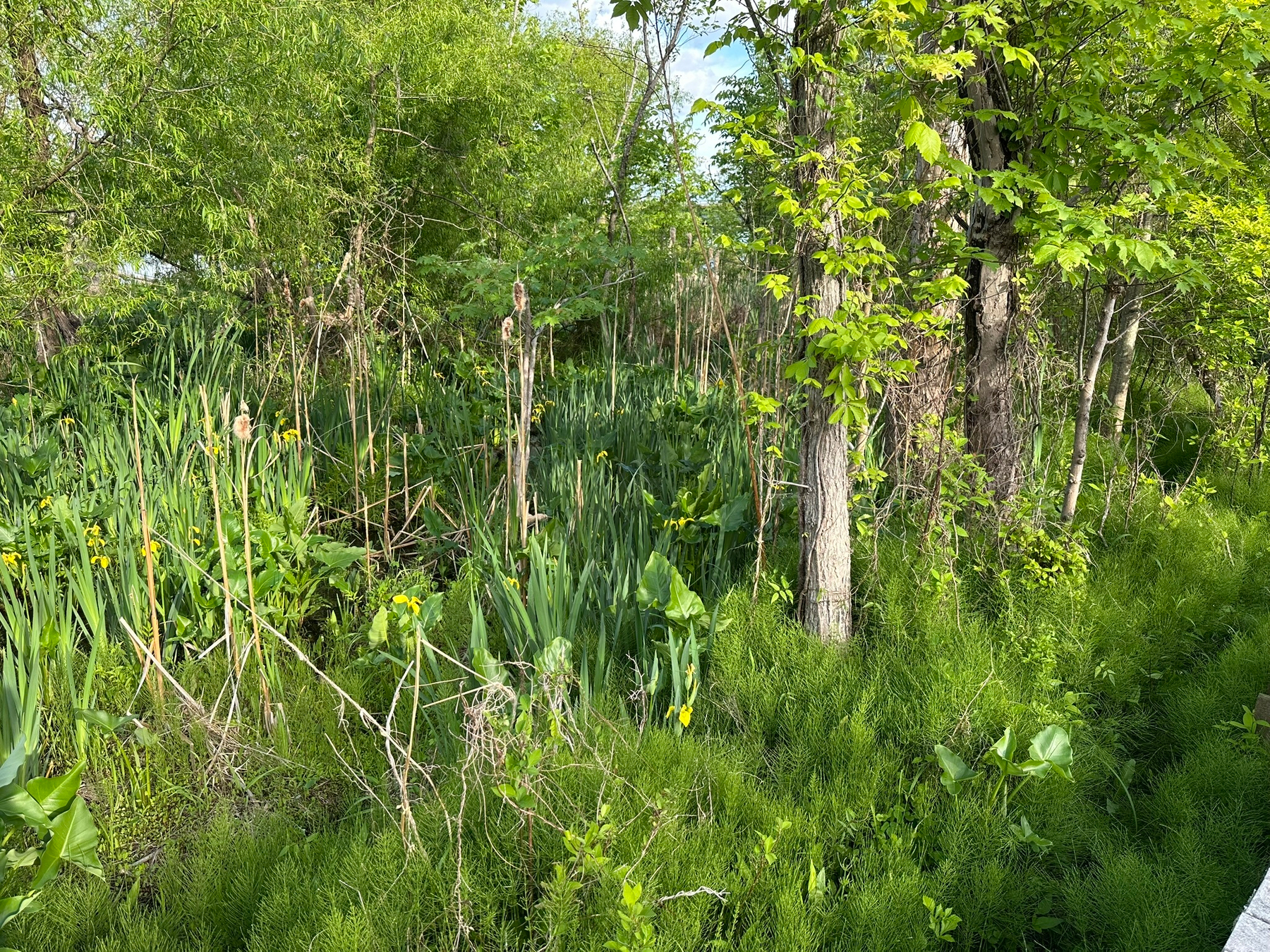
The grass is greener on the other side of the Potomac.
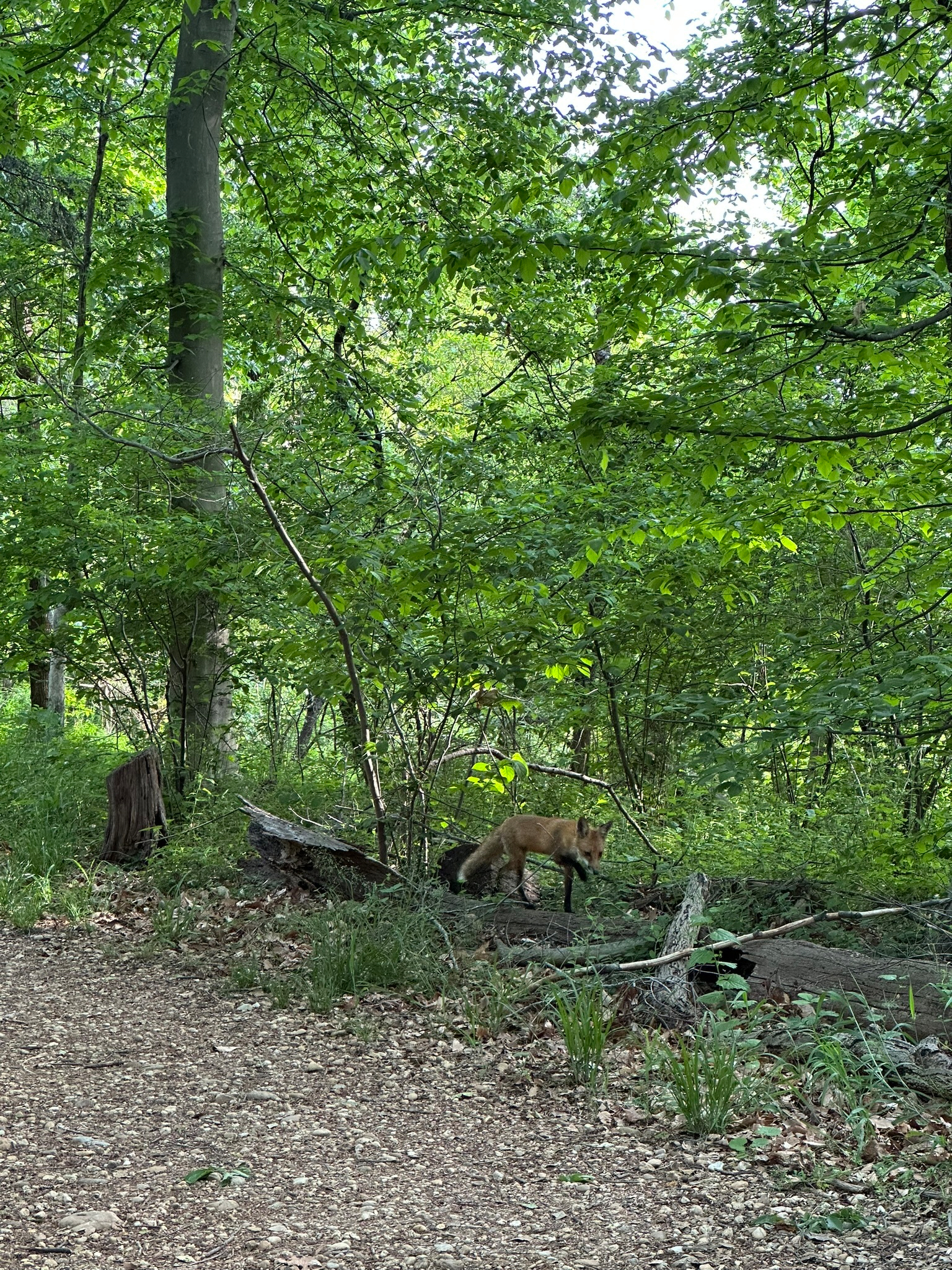
No cows on our visit, but one piece of wild fauna did quite literally cross our path.
Don't know if he or she is a Mr. but they do look fantastic.
Never mind the jab against my fellow Europeans up top, even Americans don’t know just how wild their cities can be. On our visit to Smith Island the otherwise wonderful boat tour guide thought we’d look in awe at a blue heron, which is in fact a year-round resident of downtown(ish) DC. You can see red-tailed hawks on top of traffic lights munching on rats, peregrine falcons circling playgrounds, deer walking down the street around Rock Creek Park and, further uptown, a whole bunch of bunny rabbits instead of the daytime/nighttime procession of squirrels and rats as downtown rodent representatives.
Best of all, with temperatures below 18°C — that’s 65°F for Americans — all week long, a magnificent thing happened. There. Were. No. Mosquitos. In the middle of the Potomac marshland. Truly incredible.
Spring 2026 in Washington DC: so far so good.