Tim Harford writes about productivity:
There are so many things one could be doing at any particular moment, and so many variables — where you are, how much energy you have, whether you’re being interrupted — that the whole exercise can feel like a game of five-dimensional chess that frequently leaves even the most skilled and seasoned players bewildered by an unexpected move.
This was such a great description that I had to share it. His advice, drawn heavily from GTD, is:
- Look ahead (i.e. do weekly reviews)
- Clarify
- Be content (Oliver Burkmean style)
💯, as the kids would say.
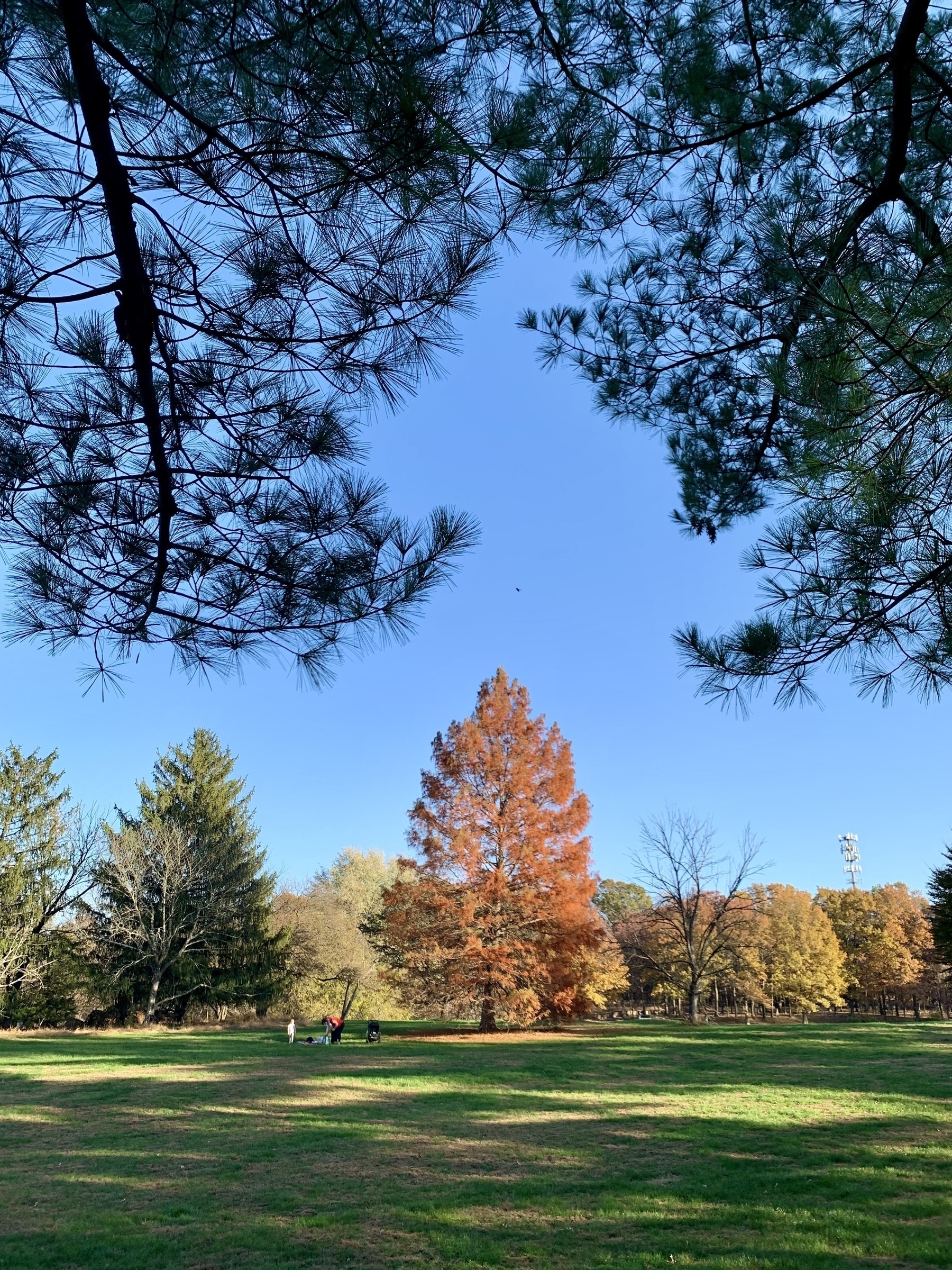
From the archives: getting ready for a forest picnic.
From the annals of I told myself so: against my better judgment I’ve listened to the first two episodes of How I write. The first one, with Tyler Cowen and Alex Tabarrok of the Marginal Revolution blog, was fine but unremarkable, especially compared to the duo’s 20th anniversary episode. The second one, with The Cultural Tutor, let it slip that the Areopagus author hates when people say they write as a hobby, and ended with a promotion for Perell’s writing course that will — and this is verbatim — “help you two-ex your potential”.
Well, this hobby writer is tuning out, content with his one X of potential.
You don’t need to live in DC to appreciate Martin Weil’s delightful prose about its weather this weekend:
Both days, Friday and Saturday, innocent of haze and atmospheric moisture as they were, seemed to celebrate change and assure us that in coming days, humidity would cease to be a concern.
These two days seemed to embody the exhilaration that comes of seeing blue skies, and nothing but blue skies, everywhere we looked.
Of course, when it comes to weather reporting nothing can beat Kevin Killeen’s story on why February is the worst month.
Orange County, FL, has some of the most walkable neighborhoods in the country.
After our half-day trip to Calvert Cliffs which resulted in zero fossilized shark teeth found — and one given to us by a compassionate local — we decided that a thing worth doing was a thing worth doing well, and not having any other plans for the Labor Day weekend got the shabbiest, most cost-effective and affordable cabin available, and started combing the beach.
It worked! Nine teeth total, three of which found during a particularly lucky 15-minute stretch, and one of those which was dropped to the ground by a senior member of our party never to be recovered. So it goes… As luck would have it, another compassionate local — plenty of them are to be found wandering the Calvert Cliffs beaches, it turns out — saw us scrambling to find the tiny shark tooth we lost and gave us two from her own collection, which isn’t the same as finding your own, but it will make for a good dinner table reminiscence-slash-putdown of our fumbling senior.
The whole excercise was particularly enlightening to our middle-schooler, who in short order experienced the value of 1) experience, 2) patience, and 3) serendipity. And being the one whose fossil was lost also 4) forgiveness and 5) understanding. Well, one would hope. I’m pretty sure she stills holds a grudge.
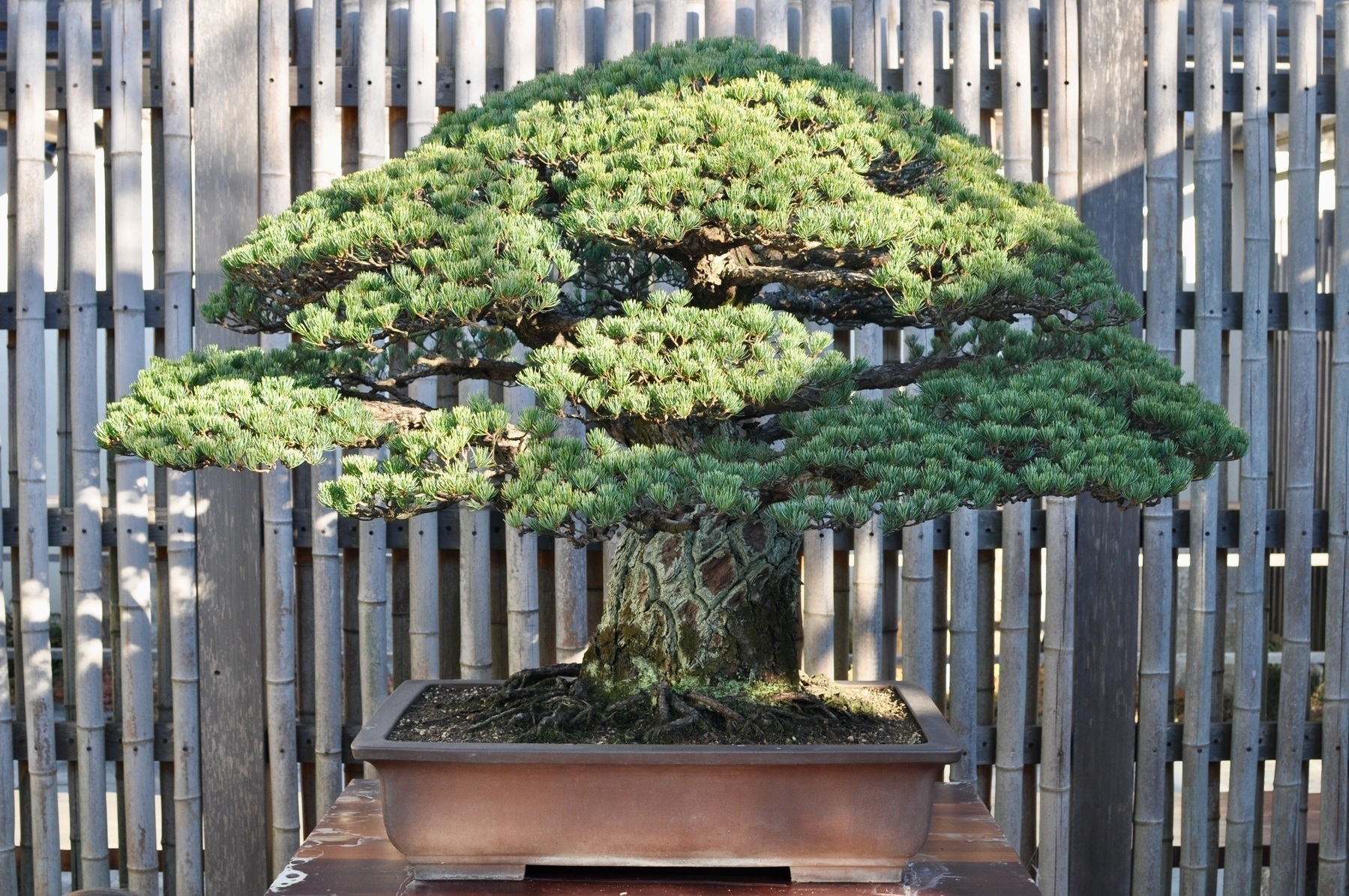
“On the morning of 8/6/1945, the Yamaki family and their bonsai survived the United States' atomic bombing of Hiroshima. 30 years later, bonsai master Masuru Yamaki offered this tree, one of his oldest and most precious, as part of a gift from the people of Japan to the people of the United States”
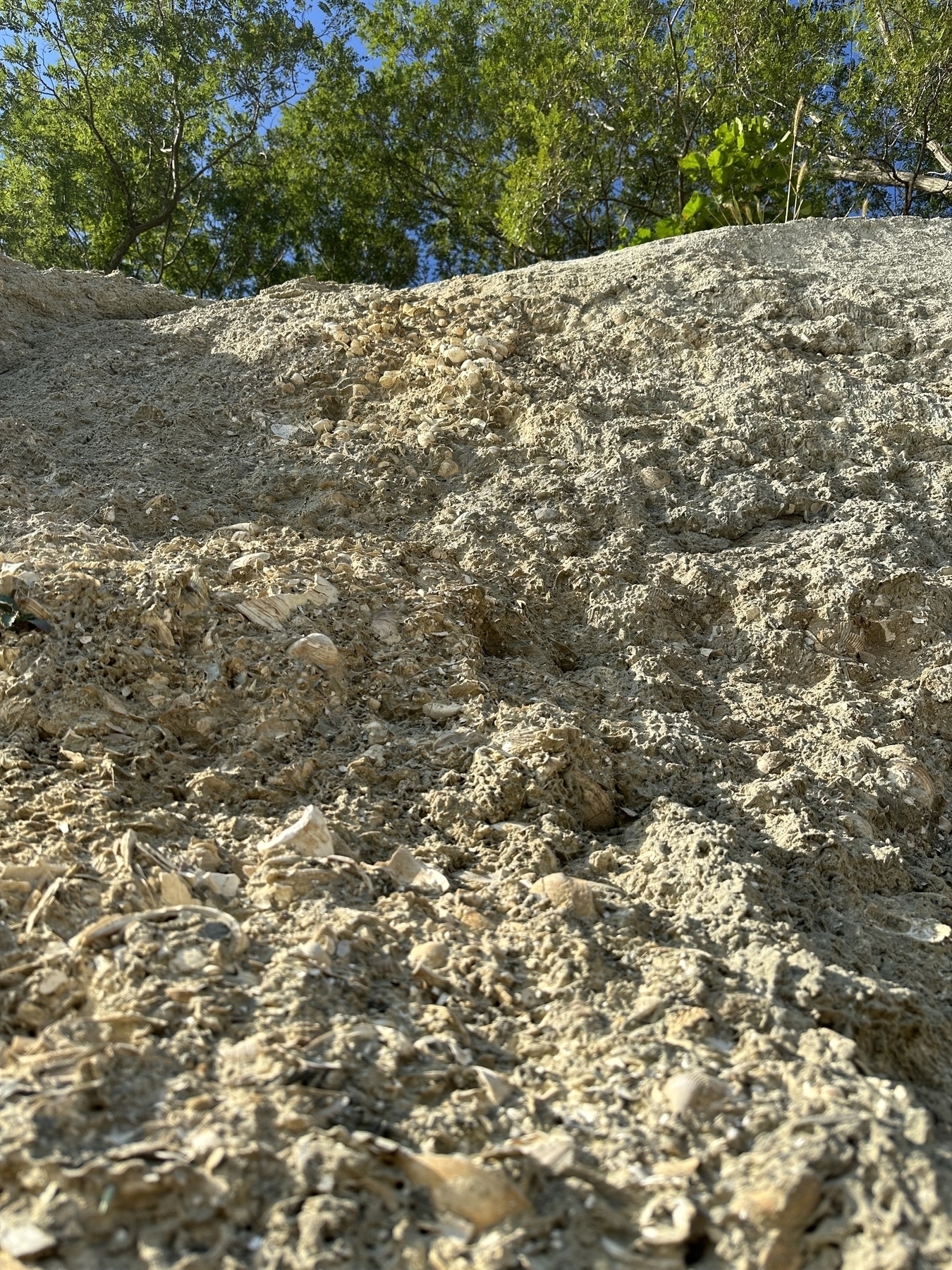
This weekend we are back at Calvert cliffs, the great fossil buildup.