Two excellent back-to-back episodes of the Joy of Why podcast, both featuring waves: jellyfish and fluid dynamics, and the arrhythmic heart. The conversations were basic enough that even this non-physicist non-mathematician could understand, though I did have a leg up on the heart episode.
And it was OK — having a new phone helped — but we have not, in fact, been missing much except for the crowds. April is still the best month to visit, especially for those suffering from trypophobia.
Not to be confused with trypanophpobia, as the Wikipedia article notes helpfully.
Pictured below is Nelumbo lutea, or the American lotus, North America’s only native lotus species.
The American lotus
Yesterday’s EconTalk was with Lydia Dugdale on the Lost Art of Dying, which is the title of Dr. Dugdale’s book but also a translation of Ars moriendi, a 15th century Latin text about the good death. The episode is in this year’s Top 5, and I wish I could dwell into this. Ars longa…, as they say.
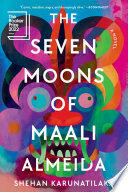
My wife was first to notice it was was not the type of book I usually read — which is to say fairly obscure 50-year-old works of non-fiction. This one is a brand novel that won the Booker prize last year, and I am not at all embarrassed to say that is was the prize that led me to it — M John Harrison of Light, and severalother of my favorites being on the jury and deeming The Seven Moons… a worthy contender.
And you know what, it is! I absolutely see why Harrison, he of baroque prose and unintelligible place names on planets far, far away, chose the book, some parts of which are as inscrutable as the denser sections of Viriconium. Only, it’s not a fantasy world on another planet, it is 1980s Sri Lanka, and the things people do to each other are more horrifying than anything Harrison could have come up with for the mere fact of things like that actually having occurred, and the world not caring much, back then or now.
Ultimately, Karunatilaka pulled two great tricks, one tactical the other strategic. The tactical one was to write a novel in second-person singular that actually works. The strategic was to persuade the world that a fantasy murder mystery featuring ghosts, demons, ghouls, and a host of other supernatural and real-world monsters was not yet another piece of genre fiction. Feats worthy of a Booker prize, indeed.
Stop the presses: I have just found out that Derek Lowe’s Science column In the Pipeline has an RSS feed. Years ago, I tried adding it to my then-feedreader of choice, but either I was not persistent enough in my search, or it just wasn’t there back then. Either way, I’m happy.
For some reason, I have been stumbling upon more and more good personal blogs recently. The recent detwittefication
Which is a term I just coined. Please feel free to suggest alternate spellings. of the Web may explain some of my new finds, but many started long before the several more recent exodi. Here are a few:
The Scholar’s Stage by Tanner Greer is unlike the other three in that — the title kind of gives it away — the articles are more scholarly and there are few if any personal topics. And while I agree with some of the theses (or takes, as kids these days call them, and the day when graduate students will be instructed to submit their “takes” on a given topic is coming sooner than you think), others leave me cold, but I’d rather read a well-argumented article with which I disagree than an echo chamber listicle.
In that vein, Tipsy Teetotaler and Why Evolution is True are once-a-day (for the most part) lists of interesting things from around the internet from an Orthodox Christian and an atheist respectively, and while I am far from agreeing with either on many, many things, I also find the thoughts they share valuable, and the websites they link to interesting and engaging. So there.
P.S. This will do well as an appendix to my blogroll, which you can also check out.
P.P.S. I intentionally omitted the many, many micro.blogs I have been following, about which more in some future post — there's a cliffhanger for you.
The idea that the act of forgetting binds together both perpetrators and victims in the common pursuit of survival is at once deeply humanistic and at the same time deeply unsatisfying to moralists who prefer heroes who win out and villains who receive a timely come-uppance. But such endings made little sense to people in places such as Czechoslovakia, for whom learning to live with injustice and defeat was a geographical requirement.
And to the list he goes…
July 15, 2023
From ignore the code, the most sensible explanation of the Monty Hall problem I have yet seen. Yes, changing your mind once more information is available is a good idea. The devil is in establishing what constitutes new information. For better or worse, life is not a game show.
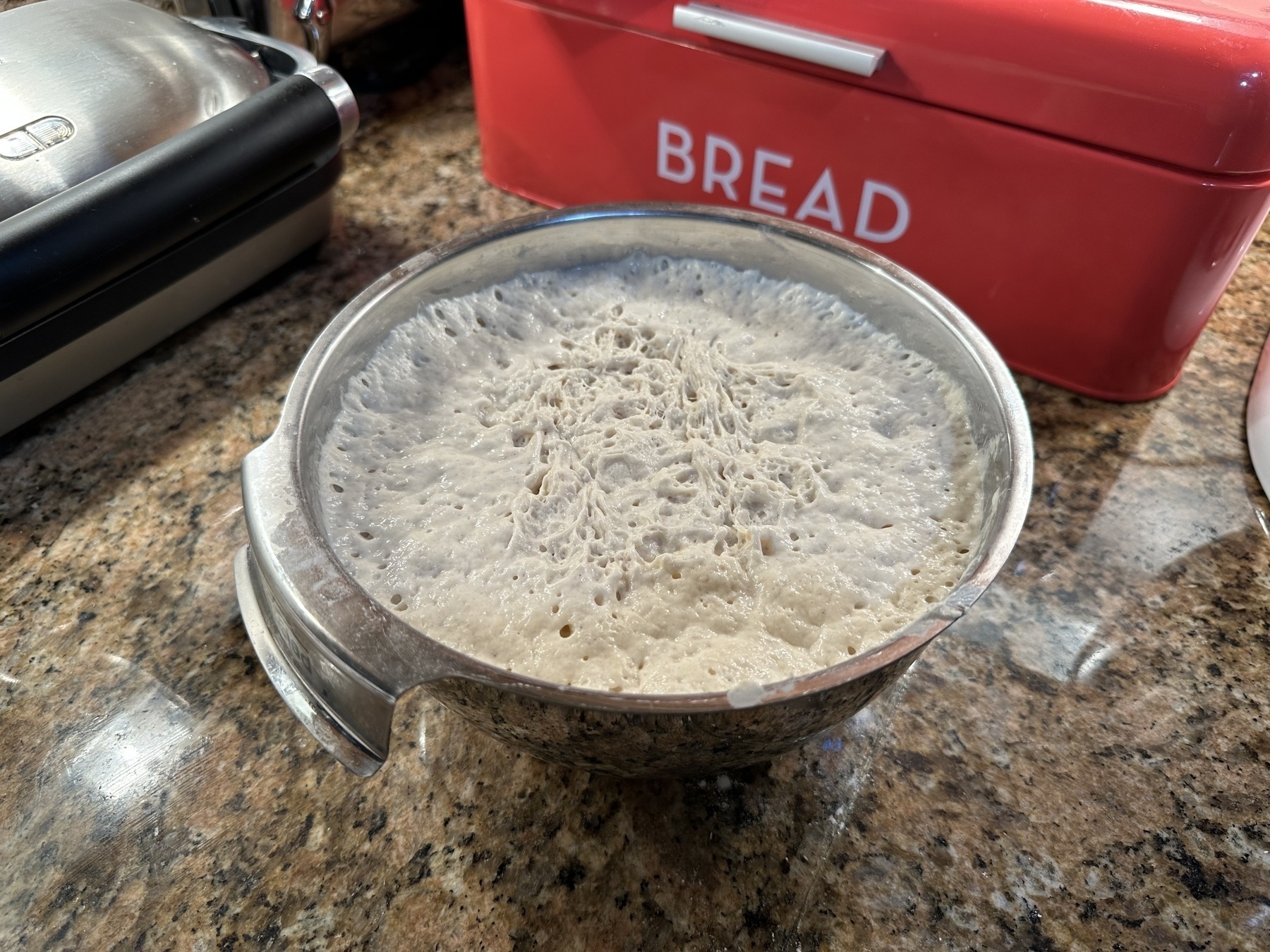
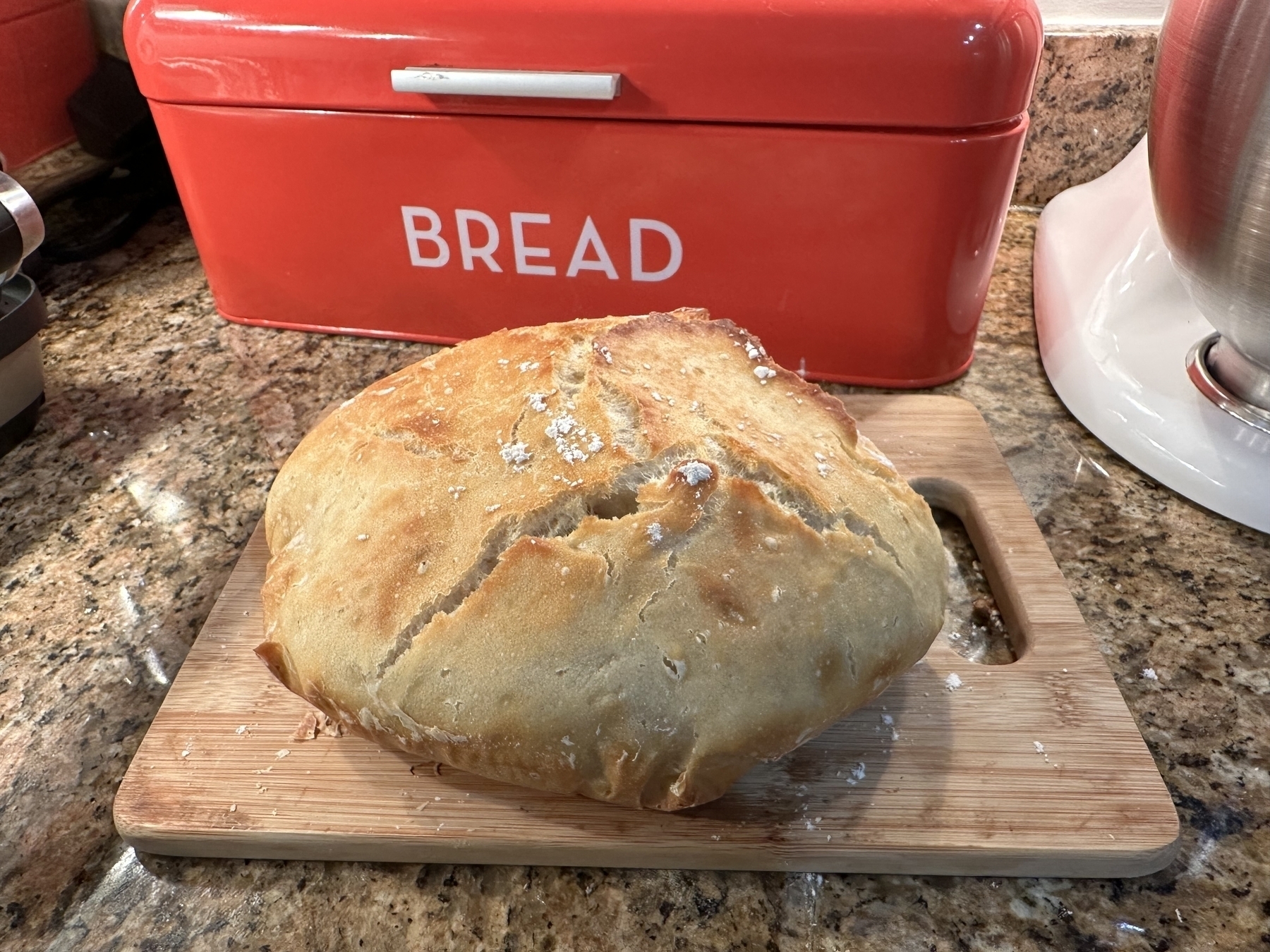
Before and after on the second-ever loaf I ever made — recipe here. Why I haven’t been doing this my whole life, I have no idea. ⏲️