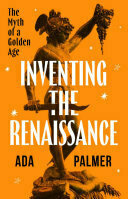
A mere 50 pages in and I can already tell that Inventing the Renaissance will be a banger of a book. Three concepts in particular stood out for there relevance far outside that particular period in history:
- Legitimacy, why it is important to have it and how to obtain it. Marrying into a noble family, graduating from a well-known program, surviving a few years in big pharma/big tech, getting linked to by a major website, etc.
- Zombie ideas as wrong theories that lead to more research that leads to correct theories but then refuse to die — cruthes that outlive their usefulness. See also: zombie medicine.
- Conflicting projections, as in the Medicis playing to role of “merchant scum” in Florence, a city which tends to banish people with ambitions towards nobility, while at the same time playing up your high status to the outsiders who view symbols of nobility as a sign of legitimacy (see above). It is a tough game to play which is why the AI companies are failing at it so spectacularly (to investors and eneterprise clients: we will eliminate the need for XX% of the work force; to the plebs: let us build data centers, it will create jobs; to themselves: why do they hate us?)
No surprise that it has been nominated for a Best Related Work Hugo Award, and kudos to Palmer for compelling me to write the first “currently reading” post in almost two years (the last one was also for a book she wrote).